Physical Address
304 North Cardinal St.
Dorchester Center, MA 02124
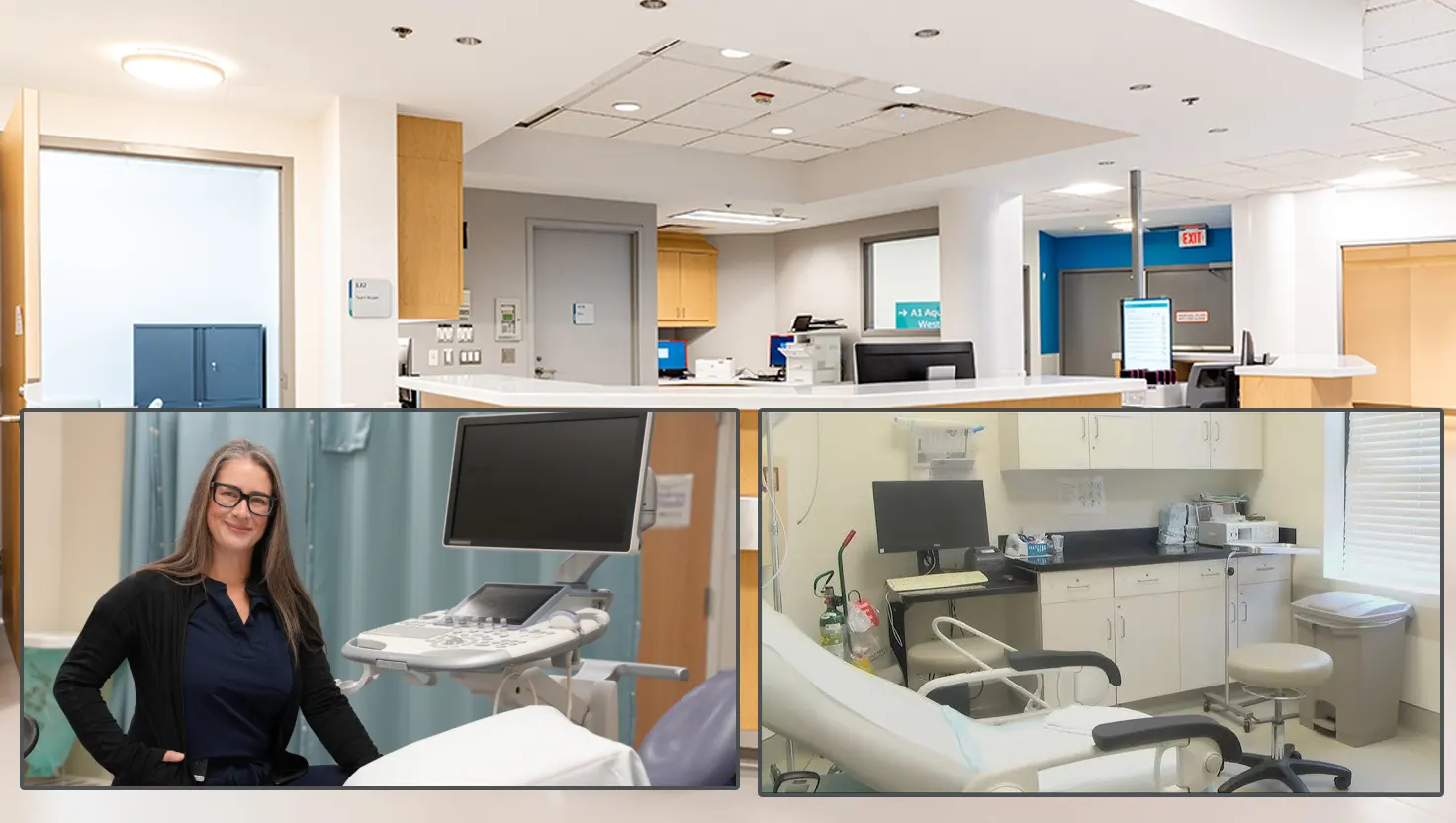
An Ontario hospital opens a specialized pain relief room to improve comfort and access for women’s gynecological procedures, including IUD insertions.
A leading Ontario healthcare facility has opened a new pain relief room designed for gynecological procedures, marking an important step in women’s health. The Women’s Minor Procedure Room aims to improve comfort and outcomes for patients during IUD insertions, removals, biopsies, and pelvic exams.
At the centre of this project is the pain relief room, introduced by London Health Sciences Centre (LHSC). A physician and nurse staff the room, using the same monitoring tools as an operating theatre but designed for smaller procedures.
Instead of booking operating rooms, patients can now access care in this focused setting. The goal is to provide a calm, efficient, and less intimidating experience for women who often delay care due to pain fears.
Pain during gynecological procedures is often underestimated. LHSC obstetrician-gynecologist Dr. Erin Lovett says women have long been expected to “tough it out.” The new pain relief room challenges that expectation and puts patient comfort first.
The facility also supports trauma-informed care. Many women with past trauma find routine exams overwhelming. By offering conscious sedation and a supportive atmosphere, the pain relief room reduces emotional distress and improves trust in care.
These features make the pain relief room ideal for both efficiency and comfort.
The new room benefits more than just patients. It helps the healthcare system operate efficiently by freeing operating room space for complex surgeries. This shift reduces wait times for both major and minor procedures.
LHSC reports that wait times for minor gynecological procedures now range from one week to three months, depending on urgency. That’s a significant improvement over traditional operating room scheduling.
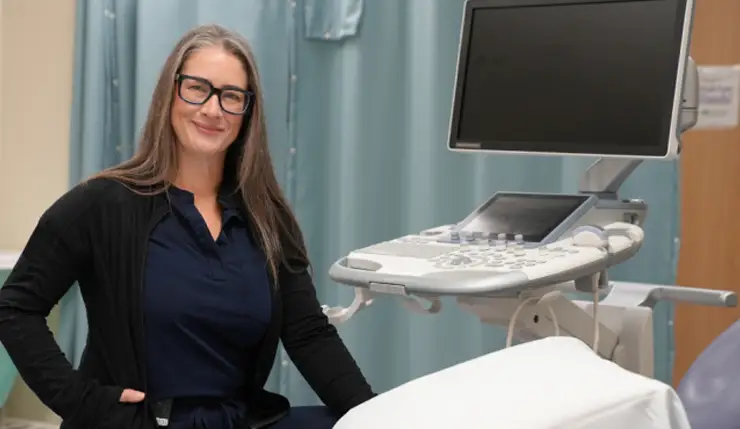
The pain relief room helps close gaps in women’s health care. For years, women’s pain was often dismissed or downplayed.
“This space is our way of saying we see you, we hear you, and we’re committed to making this experience less painful,” says Dr. Lovett.
By reducing physical and emotional barriers, the hospital encourages more women to seek timely care. The facility represents a cultural shift one that validates women’s experiences and promotes dignity in medical settings.
What Procedures Are Covered
The pain relief room supports various gynecological procedures, including:
These procedures once required operating rooms but now take place in a specialized outpatient environment.
Patients describe the pain relief room as calmer and more personal. Many say they feel more control over their body and choices.
The environment fewer people, softer lighting, and a respectful pace transforms what was once a stressful visit into a manageable experience. This new approach encourages more women to follow through with needed procedures instead of postponing them.
The new pain relief room offers comfort, dignity, and shorter recovery redefining how women experience gynecological care in Ontario.
Each appointment lasts about an hour, including preparation and recovery. Procedures themselves take only 5–15 minutes.
Patients can self-refer in some cases, such as for IUD insertions with sedation, through LHSC’s Rapid Access IUC & Implant Centres of Excellence (RAIICE) Clinic. Others come through specialist referrals.
To inquire, patients can contact the clinic directly at 519-685-8355 or email birthcontrol@lhsc.on.ca.
While the pain relief room is a major step forward, it doesn’t yet cover all gynecological procedures. LHSC plans to expand the program to include more complex procedures like hysteroscopies and endometrial ablations.
The hospital continues refining scheduling, staff coordination, and sedation screening to ensure smooth, safe operations as patient volume grows.
The keyword pain relief room connects with readers searching for compassionate women’s health options. Its use in the title, intro, and throughout the article improves online visibility.
Secondary keywords like gynecological procedures, conscious sedation, women’s health, minor procedures, and IUD insertion strengthen search relevance and broaden reach to patients and health professionals.
For decades, women were told to endure pain during routine procedures. The pain relief room challenges that history and recognizes that comfort and dignity matter in care.
Hospitals worldwide are adopting similar models, combining efficiency with empathy. The shift toward patient-centered outpatient care mirrors broader efforts in healthcare to balance innovation with compassion.
Beyond technology, design plays a key role. The pain relief room uses warm lighting, minimal staff presence, and calm surroundings to ease tension.
Patients no longer need to fast or spend hours recovering. They arrive, receive care, and leave within an hour an approach that blends comfort with practicality.
For anyone planning a gynecological procedure such as an IUD insertion, biopsy, or pelvic exam, this room offers an improved experience. With conscious sedation and a supportive setting, it provides safety and reassurance.
Patients who once delayed care can now move forward with confidence, knowing their comfort is prioritized.
The pain relief room at this Ontario hospital could inspire similar initiatives across Canada. If early results show reduced wait times and higher patient satisfaction, more hospitals may follow this model.
Future expansion could include broader pain management programs and multi-disciplinary care options. This innovation represents progress a system listening to women’s needs and responding with compassion.
The creation of a pain relief room for gynecological procedures marks a powerful evolution in women’s healthcare. It merges medical precision with empathy, efficiency, and respect.
For patients, it means shorter waits, less pain, and more choice. For healthcare providers, it means better resource use and improved trust.
This initiative proves that progress in medicine is not just about new technology it’s about how care feels.