Physical Address
304 North Cardinal St.
Dorchester Center, MA 02124
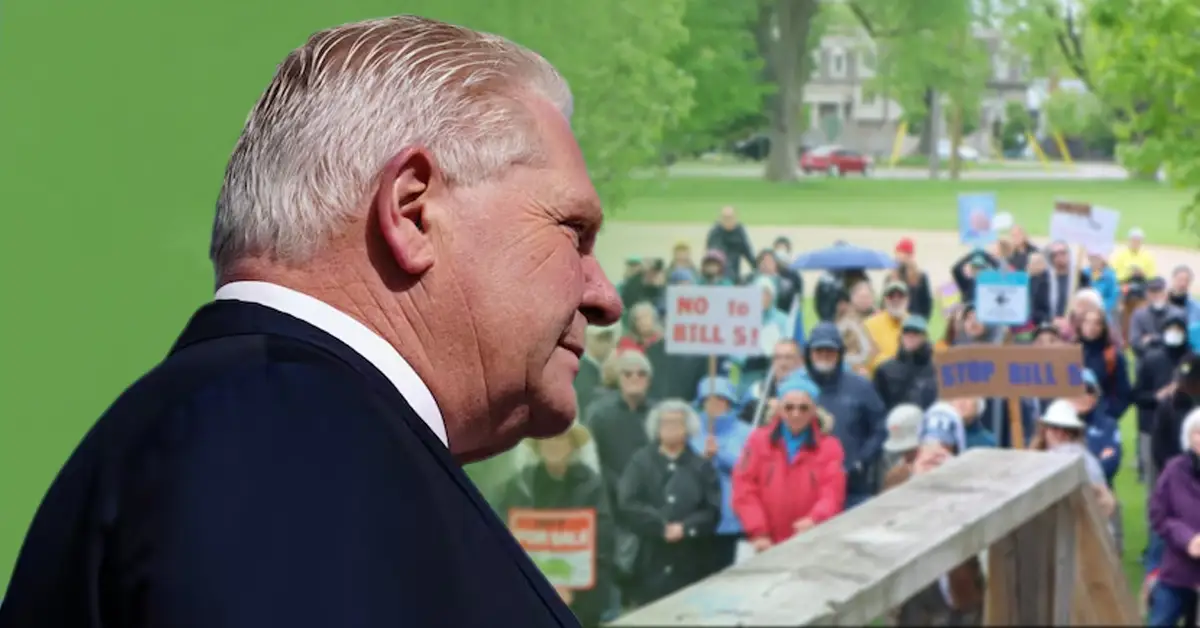
Ontario’s sweeping Bill 5 sparks fierce debate as critics warn of environmental harm and Indigenous rights violations, while the Ford government insists it’s vital for economic resilience.
At the heart of Ford’s controversial Bill 5 is the creation of Special Economic Zones, which grant the provincial cabinet unchecked authority to exempt projects from Ontario’s laws, including environmental and labor regulations. Critics liken this to establishing “law-free sacrifice zones” where corporations can bypass safeguards for vulnerable communities and ecosystems. The Canadian Civil Liberties Association (CCLA) warns the move “paves the way for corporations to bypass labour and environmental laws,” with no geographic or procedural limits on where these zones can be designated 3.
The Ring of Fire mineral deposit and a proposed Highway 401 tunnel are early candidates for such exemptions, raising alarms among First Nations whose treaty rights and lands face irreversible impacts.
Ford’s controversial Bill 5 replaces Ontario’s Endangered Species Act with a weaker Species Conservation Act, narrowing habitat definitions to areas immediately around animal dens or nests and allowing political appointees—not scientists—to decide which species receive protection. Over 100 conservation groups, including the Toronto Zoo, argue this could undo decades of progress, threatening species like the boreal caribou and Massasauga rattlesnake.
Energy Minister Stephen Lecce defended the changes as a balance between economic growth and conservation, stating, “We pick both” 3. However, environmentalists counter that the bill prioritizes corporate interests over science, with Toronto Zoo CEO Dolf DeJong warning, “Species can’t speak for themselves”.
Bill 5 slashes approval timelines for mining projects by 50%, aiming to position Ontario as a global leader in critical mineral extraction. While Energy Minister Lecce touts this as a win for competitiveness, Indigenous leaders like Cynthia Fiddler of Sandy Lake First Nation condemn the rushed permits: “Fast-track the cleanup, not more destruction”.
The bill also greenlights a contentious landfill expansion in Dresden without an environmental assessment, sparking backlash from local officials. Chatham-Kent Mayor Darrin Canniff questioned, “Whose town is next?” as the province cites U.S. tariff threats to justify bypassing oversight.
Ford’s controversial Bill 5 includes clauses shielding the government from lawsuits over decisions made in Special Economic Zones, effectively silencing communities impacted by projects 29. First Nations leaders, including Grand Chief Alvin Fiddler of Nishnawbe Aski Nation, accuse Ontario of violating treaty rights: “Our treaty is not red tape”.
Despite promises of economic reconciliation, the bill omits requirements for Indigenous consent, prompting threats of legal action from Treaty 9 nations.