Physical Address
304 North Cardinal St.
Dorchester Center, MA 02124
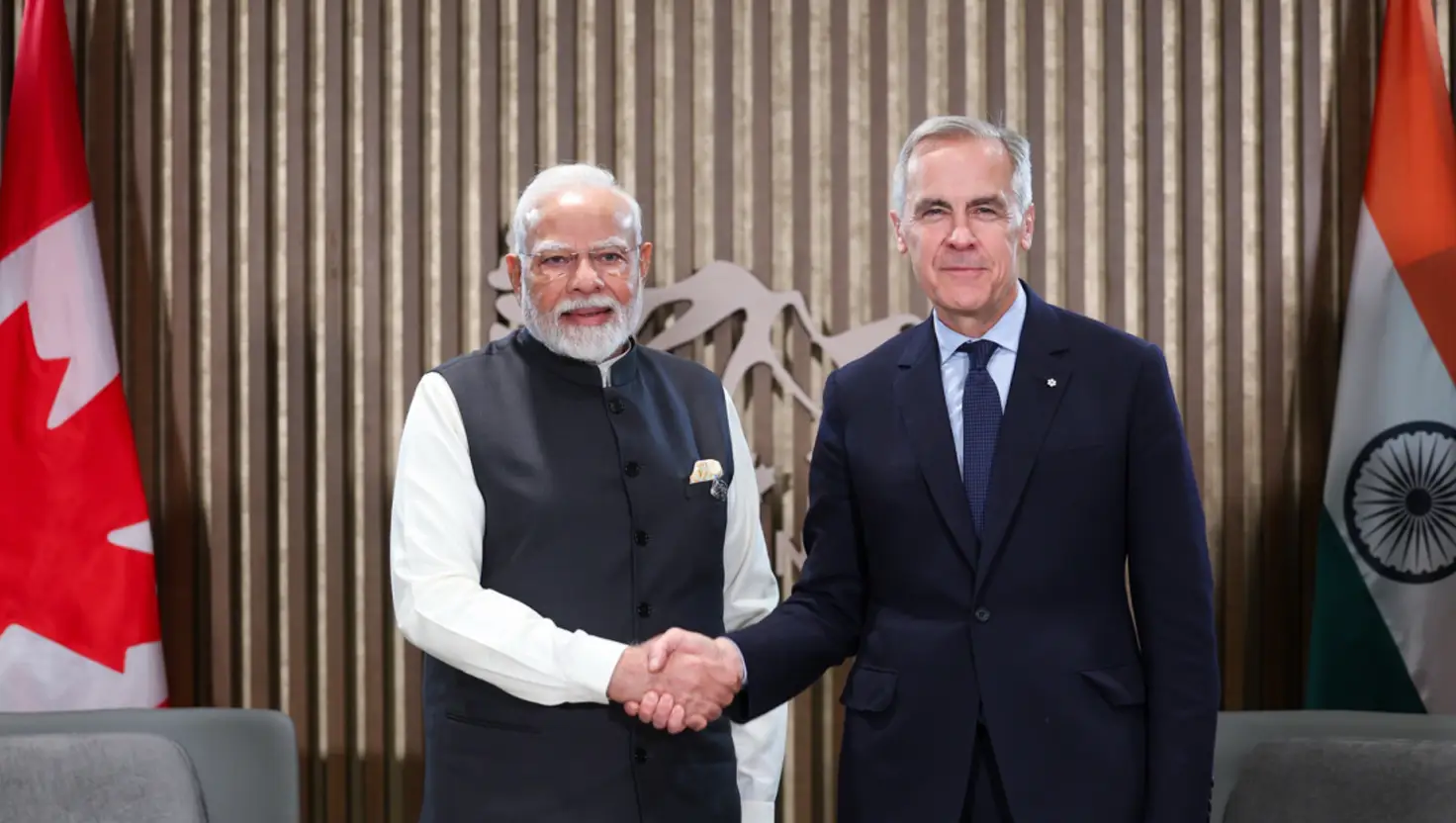
India and Canada agree on a new roadmap to reset relations, boosting trade, critical minerals, agriculture, and education after years of tension.
India and Canada agree to reset bilateral path amid long-standing diplomatic strain. In a landmark move, India and Canada have unveiled a roadmap to reboot trade ties, mineral partnerships and agricultural linkages. The roadmap marks a deliberate bid to overcome nearly two years of diplomatic friction and restore confidence in their economic and strategic relationship.
The newly minted roadmap the central keyword repeated here to align with search emphasis features multiple pillars aimed at restoring trust and generating tangible benefits. These pillars include strengthening trade and investment, securing supply chains of critical minerals, deepening agricultural co-operation, addressing law-enforcement and security concerns, and resuming stalled educational and workforce mobility ties.
For nearly two years, the relationship between the two countries was overshadowed by diplomatic fallout. In 2023, Justin Trudeau (then Canadian Prime Minister) publicly accused India of involvement in the killing of a Sikh separatist in Canada, which India denied. Reuters+2Financial Times+2 The resulting standoff included mutual expulsions of diplomats, consulate closures and a freeze on multiple bilateral tracks. Wikipedia+1
The minefield of trust-deficit now appears to be slowly unraveling, with both sides recognising the strategic necessity of the roadmap. This reset strategy signals that both Ottawa and New Delhi believe the time is ripe to move from strife towards structured collaboration.
The roadmap centres on several areas of shared economic and strategic interest. Below are the major components:
There are several converging reasons why both countries moved to adopt this roadmap:
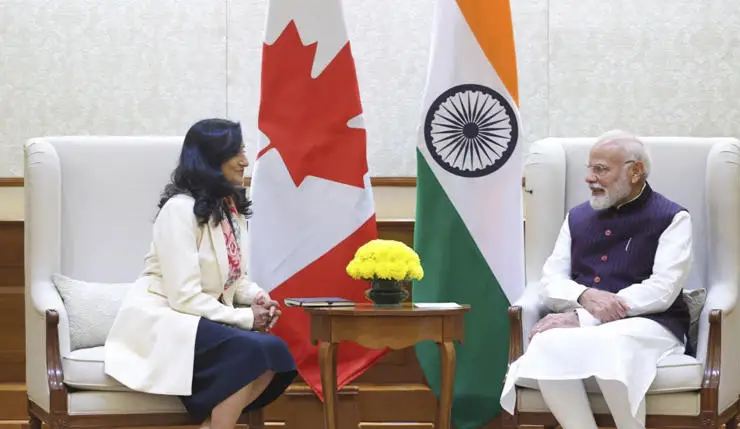
First, global geopolitics are shifting. As both nations seek to diversify away from over-reliance on traditional partners Canada especially aiming to reduce dependence on the U.S., India seeking to expand its global footprint the timing is opportune. Canadian Foreign Minister Anita Anand underscored that Ottawa wants to deepen ties with “major countries like India” as part of a broader strategy. Reuters
Second, economic imperatives prevail. India’s huge market, its demand for minerals, technology collaboration and agricultural imports present Canadian exporters with enormous opportunity. Conversely, India sees access to advanced Canadian technology, resources and educational networks as a high-value partnership. The roadmap leverages these mutual interests.
Third, the cooling of the diplomatic row and cautious diplomatic overtures. Earlier in June 2025, during the G7 summit in Kananaskis, Canadian Prime Minister Mark Carney met Indian Prime Minister Narendra Modi, and referenced the foundations for cooperation. Reuters+1 The roadmap now builds on that shift from confrontation to engagement.
Successful implementation will depend on clear signals and steady progress. Here are key “watch-points”:
The roadmap is more than a bilateral pact: it signals a resetting of India and Canada relations with broader global implications. For India, the broadened ties help cement its role in multiple partner networks beyond the Asia-Pacific. For Canada, deeper ties with India diversify its strategic and economic portfolio and reduce exposure to U.S.-centric risk.
Moreover, this renewed path may influence diaspora politics, bilateral technology flows, clean-energy supply-chains and even the global contest for influence in supply-chain resilience in minerals and agriculture. The roadmap positions both countries to play a more proactive role in areas such as green transition, critical minerals security and agriculture innovation.
Despite the positive tone, several hurdles remain:
The atmosphere around this renewed India and Canada effort is cautiously optimistic. Diplomats describe the vibe as one of “pragmatic reset” rather than exuberant reconciliation. Officials have emphasised “shared interests and mutual respect” as the guiding tone, rather than healing past grievances alone.
In practical terms, expect announcements of trade missions, mineral-partnership agreements, increased student-mobility frameworks and perhaps inaugural meetings under the new law-enforcement and security dialogue track. If these materialise in the coming months, the roadmap will have moved from blueprint to action and the two nations may well turn from strained partners to strategic collaborators.
From an economic angle, Canadian exporters of pulses, lentils and yellow peas (areas India currently imports heavily) may see faster access to Indian markets. Indian technology start-ups and manufacturing firms may gain Canadian links for research and resource supply. On the agriculture side, co-development of value chains could open export opportunities for both.
The India and Canada roadmap offers a strategic pathway out of a stagnant relationship and towards meaningful partnership. Success will hinge not only on words, but swift and visible implementation across trade, minerals, agriculture, security and people-to-people links. Many observers will watch closely to see whether the two countries convert the blueprint into breakthroughs or let it linger as another diplomatic delivery.