Physical Address
304 North Cardinal St.
Dorchester Center, MA 02124
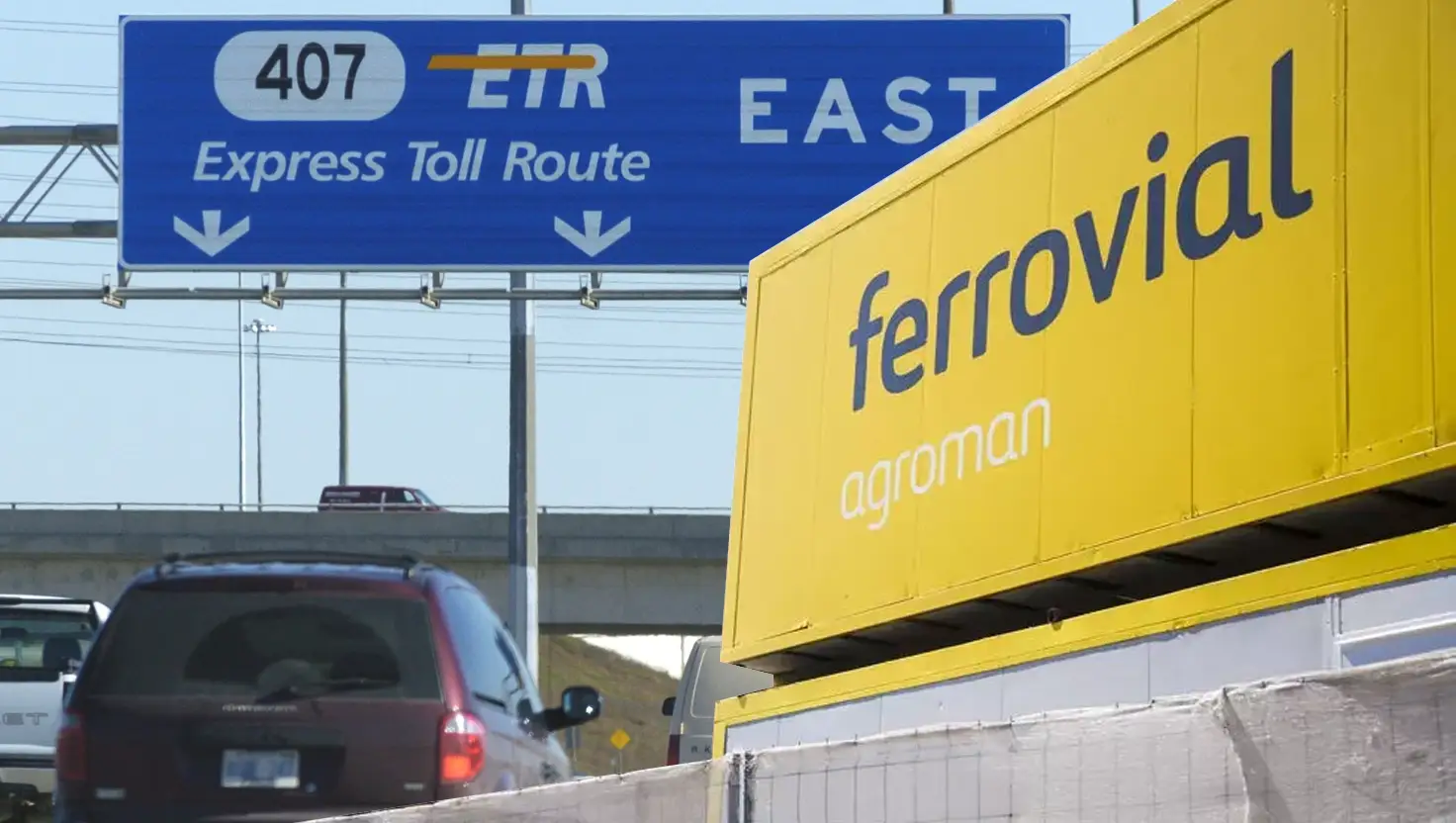
Spanish infrastructure group Ferrovial has purchased roughly 5.06% of the 407 ETR for about C$2.09 billion. As a result, the company’s total holding in the Toronto-area toll road rises to about 48.29%. The transaction, agreed with AtkinsRéalis, is expected to close in the second quarter of 2025. Overall, the move underscores Ferrovial’s growing appetite for high-yield North American toll concessions. Reuters
Ferrovial increases stake in 407 ETR through the acquisition of 5.06% from AtkinsRéalis (formerly SNC-Lavalin). The company paid roughly C$2.09 billion (US$1.45 billion). This purchase brings Ferrovial close to a half-share in the 407 ETR concession, which serves as a vital artery for commerce and commuters in the Greater Toronto Area. The transaction was disclosed in a filing to Spain’s market regulator. Reuters+1
“Ownership of the 407 ETR is not just an asset play it’s a long-run claim on vital transport revenues in one of North America’s most dynamic urban corridors.”
According to market filings, the C$2.09 billion payment is divided into two parts. The first is an immediate portion (around 3.30% of the concession). The second, about 1.76%, is deferred and will be paid within an agreed period. This structure spreads out cash demands and transfers control gradually. As a result, Ferrovial increases stake in 407 ETR to approximately 48.29%, making it the dominant shareholder in the consortium that manages the concession until its long-term expiry. Cinco Días+1
The transaction was publicly announced on March 13, 2025. Market disclosures suggest regulatory approvals and closing conditions will be completed by the second quarter of 2025. Consequently, both investors and Ontario stakeholders are watching the process closely. These large transactions often carry governance and operational implications for long-term concession management. MarketScreener
This move follows a consistent corporate pattern for Ferrovial. The company seeks to scale up in toll-road concessions where traffic growth and stable cash flows support attractive returns. In recent years, Ferrovial has shifted its focus toward North American motorway assets, where recovery in traffic and pricing power provides higher margins than many European projects. By expanding its share, Ferrovial increases stake in 407 ETR and secures more influence over operations and revenues. Reuters+1
Industry analysts note that the 407 ETR’s long concession term and high traffic volume make it a prized asset. With a near-48% holding, Ferrovial gains meaningful sway in strategic decisions and direct access to substantial free cash flow. For a firm balancing airport stake disposals with reinvestment, this is a classic “double down where margins are strongest” strategy. Reuters+1
“This isn’t merely a financial top-up it’s a vote of confidence in Toronto’s transport economy and a bet on long-term toll revenue resilience.”
The seller, AtkinsRéalis, divested its stake as part of a broader portfolio reshuffle. Market reports show that the transaction was negotiated among existing consortium members, including Canadian pension funds and international infrastructure investors. The result is a more concentrated ownership group, with Ferrovial now nearing majority influence. Reuters+1
The sale is one thread of a broader reallocation of capital among infrastructure investors who frequently trade stakes to rebalance portfolios and free cash for new projects. In this case, Ferrovial increases stake in 407 ETR while AtkinsRéalis recovers liquidity to redeploy elsewhere.
For everyday drivers the headline is unlikely to bring immediate change toll rates and concession rules are set under long-term agreements and regulatory frameworks. But investor control can shape medium-term priorities: capital spending on maintenance, investment in traffic management technologies, and the concession’s approach to dynamic tolling could all be influenced by a larger Ferrovial presence.
Financially, Ferrovial increases stake in 407 ETR to take a larger share of the motorway’s cash flows. The 407 ETR has been a high-margin asset for years; previous reporting suggests it delivered growing revenues and contributed materially to concession income, which helps explain Ferrovial’s appetite to expand its stake despite the high headline price. Reuters+1
The 407 ETR concession runs until 2098, making it one of the world’s longest public-private infrastructure agreements. Its predictable revenue profile makes it a highly sought-after asset. Ferrovial increases stake in 407 ETR at a time when global infrastructure investors are competing fiercely for inflation-linked, long-term assets. Consequently, that competition continues to elevate valuations for premium toll roads.
Politically, more foreign ownership sometimes sparks debate about control and accountability. Ontario policymakers may monitor how Ferrovial’s expanded role affects service standards, maintenance schedules, or capacity upgrades. Even so, the concession remains bound by strict performance contracts.
“Ownership change should not interrupt day-to-day service but it will be watched for its impact on capital plans and toll strategy.”
(Quoted reassurance placed in a different section to highlight public interest.)
Ferrovial pays a premium price for a small but strategically meaningful increment. The risks: traffic shocks, regulatory pushback, or macroeconomic shocks that compress toll demand. The reward: amplified earnings from an asset with decades of revenue visibility.
Ferrovial increases stake in 407 ETR at a time when its North American toll business is performing strongly; the company has cited higher motorway traffic and robust concession returns as drivers of improved profitability in recent quarters. That track record supports management’s thesis that buying into the 407 at scale will generate attractive risk-adjusted returns over the long run. Reuters+1
Below are the principal sources used to verify the deal, structure and strategic context: