Physical Address
304 North Cardinal St.
Dorchester Center, MA 02124
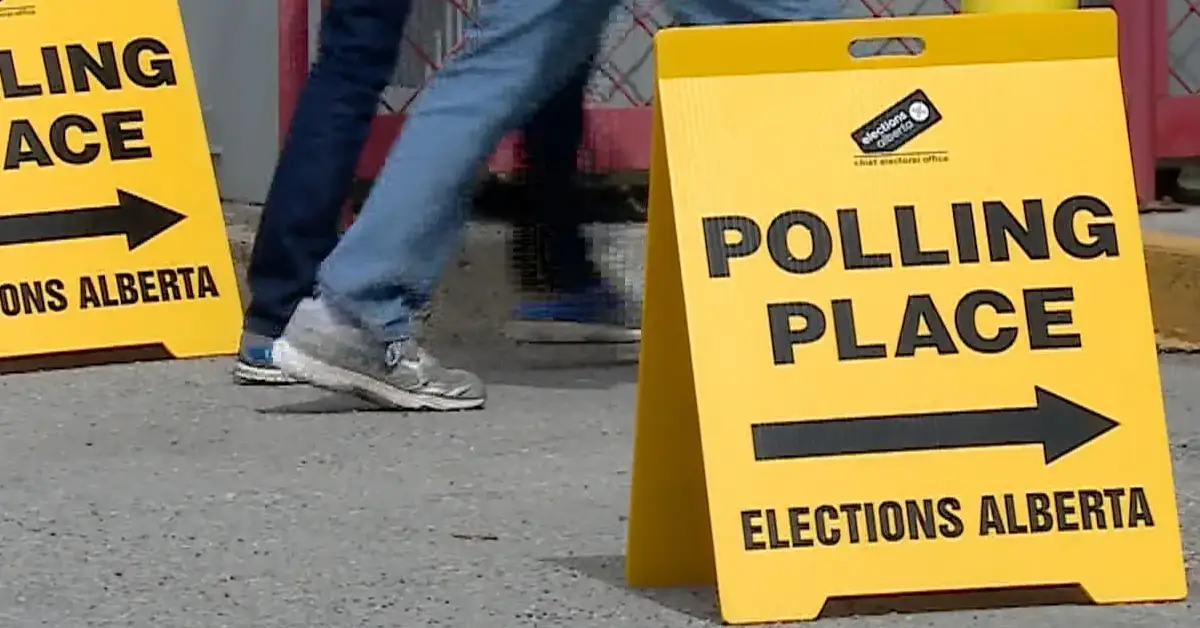
Alberta’s chief electoral officer warns Bill 54 could derail investigations, eroding trust in the province’s democratic processes.
Alberta’s electoral watchdog, Chief Electoral Officer Gordon McClure, has issued a stark warning: Bill 54—a sweeping overhaul of election laws could cripple the province’s ability to investigate and penalize election rule-breakers. In a leaked memo to legislators, McClure emphasized that reducing the investigation window from three years to one would derail most compliance cases, including high-profile probes into campaign finance violations .
“None of the significant investigations undertaken in the last five years would have been completed under this timeline,” McClure wrote, highlighting that financial reporting delays alone mean most complaints arrive after the proposed deadline. The bill also introduces a new hurdle: complainants must submit a “substantively completed investigation” before the election commissioner can act a standard unmatched in Canada.
The changes target Alberta’s electoral enforcement mechanisms in three key ways:
McClure noted these reforms could “compromise Albertans’ trust in the democratic process,” particularly as Alberta’s electoral system grapples with rising concerns over dark money and transparency.
Government Defense:
Justice Minister Mickey Amery insists the bill aims to “protect democracy” by expanding voter access through flexible ID rules and special ballots. However, he sidestepped McClure’s warnings, stating only that Elections Alberta would receive “resources to comply” Premier Danielle Smith echoed this sentiment, framing the reforms as necessary to secure “open and accessible” elections.
Opposition Outcry:
The NDP’s justice critic, Irfan Sabir, slammed the bill as a “blueprint for voter suppression,” arguing that lax enforcement empowers bad actors. “If nobody investigates, the rules don’t mean anything,” he said, linking the reforms to broader UCP efforts to reintroduce corporate and union donations a move critics compare to U.S.-style dark money tactics.
Several current investigations will not be completed under this reduced timeline.” Gordon McClure,
Chief Electoral Officer.
Bill 54 is part of a larger UCP agenda reshaping Alberta’s electoral landscape:
These changes align with strategies criticized as “Trumpian” by political analysts, who note parallels to GOP efforts to limit electoral oversight and amplify conspiracy theories.
Alberta’s electoral system now stands at a crossroads. While the UCP frames Bill 54 as a bid for efficiency, critics warn it risks normalizing misconduct and silencing marginalized voices. The elimination of vote tabulators—machines blamed by conspiracy theorists for “rigged” outcomes—further fuels distrust, despite no evidence of widespread fraud in Alberta.
Fact Check & Verification